
"volatile compounds"
400 article(s) found

Analysis of Coffee Bean Composition
Caffeine is the most noticeable of all coffee ingredients. Its effect is extremely extensive, will affect the human body's brain, heart, blood vessels, gastrointestinal, muscle, kidney and other parts.

How do you produce the strange smell of coffee?
In the process of brewing coffee, we all look forward to the moving moments full of fragrance: the wonderful and complex aromas of caramel, flowers, berries, nuts, honey, tea and so on are absolutely the most fascinating things about coffee. Coffee beans can detect more than 300 compounds, and there are more than 850 kinds of coffee cooked beans. The complexity is amazing (this data is cited from boutique Coffee) but in baking or brewing.

Where does the sweetness of coffee come from? why is sun treatment sweeter than washing?
Sun-treated coffee is usually sweeter and more mellow than water-washed coffee and usually has a unique fruity flavor. Intuitively, the sweetness, taste and flavor of sun-treated coffee should come from prolonged contact with the sugary, sticky pulp of coffee fruit, but is there any evidence to prove it? If not, what will happen? Is natural coffee high in sugar? Coffee beans

Coffee roasting and Coffee Flavor Coffee Flavor
Americans often say: One mans meat is another mans poison, that is, one person is regarded as delicious, others as poison. The aroma spectrum of dry distillation can be divided into three categories: resin rhyme, spicy rhyme and carbonized rhyme, as follows: 1. Resin rhyme: turpentine and choking turpentine: turpentine, chicory, mahogany, wine, blackcurrant branches and leaves: Rosemary, eucalyptus alcohol, Eucalyptus leaves,
Analysis of Coffee Bean Composition
Coffee Bean Composition Analysis Green Bean (Unit: Percentage) Moisture: 11.3 Fat: 11.7 Protein: 11.8 Sugar: 8.0 Essence: 17.1 Caffeine: 1.3 Tannin: 6.0 Minerals: 4.2 Crude Fiber: 28.6 Cooked Bean Moisture: 2.5 Fat: 13.2 Protein: 12.8 Sugar: 1.8 Essence: 29.6 Caffeine: 1.3 Tannin: 4.0 Minerals

The main components of coffee
Caffeine: Caffeine is the most widely known of all coffee ingredients.
Coffee roasting and Coffee Flavor Wheel New version of Coffee Flavor Wheel
The deep roasting of counter-cultural coffee flavor wheel highlights that light roasting of wood incense can highlight the bright smell of sour flowers, grasses and fruits, but hopeless deep roasting fans fall in love with resin components such as incense, smelling, choking aroma and alcohol odor. this is the product of Mena reaction and distillation. Resin composition: pine and cypress families of Pinaceae and Taxodiaceae, both secrete oleoresin with spicy fragrance to protect against insect pests or

Composition Analysis of Coffee beans basic knowledge of Fine Coffee
Raw bean (unit: percentage) moisture: 11.3 fat: 11.7 protein: 11.8 sugar: 8.0 essence: 17.1 caffeine: 1.3 Salmonic acid: 6.0 Minerals: 4.2 crude fiber: 28.6 cooked bean moisture: 2.5 fat: 13.2 protein: 12.8 sugar: 1.8 essence: 29.6 caffeine: 1.3 Salvianolic acid: 4 .0 mineral: 5.2 crude fiber: 29.

Analysis of the components of high-quality coffee beans with knowledge
Raw bean (unit: percentage) moisture: 11.3 fat: 11.7 protein: 11.8 sugar: 8.0 essence: 17.1 caffeine: 1.3 Salmonic acid: 6.0 Minerals: 4.2 crude fiber: 28.6 cooked bean moisture: 2.5 fat: 13.2 protein: 12.8 sugar: 1.8 essence: 29.6 caffeine: 1.3 Salvianolic acid: 4 .0 mineral: 5.2 crude fiber: 29.

Caramel reaction (Caramelization) in coffee roasting
Follow the caf é (Wechat official account vdailycom) and found that Beautiful Cafe opened a small shop of its own. I once told you that the three most important chemical reactions when roasting coffee beans are: Maillard Reaction Strecker Degration Caramelization about Maillard Reaction. I have written an article about its reaction principle and the wind generated.
Analysis of the composition of coffee beans what ingredients are contained in a coffee bean?
Raw bean (unit: percentage) moisture: 11.3 fat: 11.7 protein: 11.8 sugar: 8.0 essence: 17.1 caffeine: 1.3 Salmonic acid: 6.0 Minerals: 4.2 crude fiber: 28.6 cooked bean moisture: 2.5 fat: 13.2 protein: 12.8 sugar: 1.8 essence: 29.6 caffeine: 1.3 Salvianolic acid: 4 .0 mineral: 5.2 crude fiber: 29.
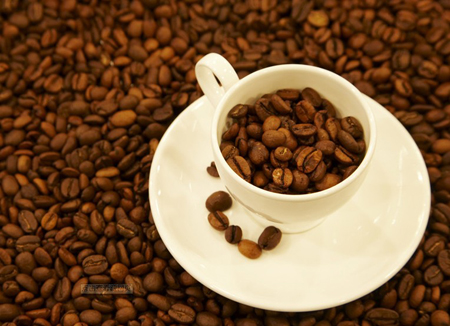
Coffee Flavor Wheel-World's Third Wave of Coffee Aesthetics
Deep baking highlights wood incense Light baking can highlight the bright smell of flowers, grass, fruit acid fragrance, but there is no medicine to save the deep baking fans love the incense, stuffy fragrance, choking fragrance and alcohol of resin components, which is the product of Mena reaction and dry distillation. (resin component: pine and cedar families of conifers, both of which secrete oleoresin compounds and have a pungent aroma to resist pests or squirrel nibbling) destructive distillation
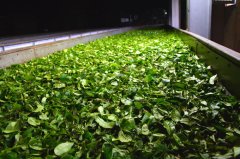
The fermentation process of black tea production technology Video black tea production method wilting process diagram
Unlike ordinary black tea, Darjeeling Tea's color is not black. It seems to be a combination of yellow, green and red tea. In particular, the first blush in Darjeeling is green. Its taste is also different from that of black tea. It is very similar to oolong tea. Why is Darjeeling Tea so special? In the past, it was thought that this was caused by the unique weather conditions and environment of Darjeeling.

Analysis of the aroma of coffee from a chemical point of view
Whether you are a coffee expert or an ordinary coffee lover, you will be attracted by the attractive aroma of that freshly ground coffee every morning. What you don't know is that this fragrance actually contains thousands of chemicals. To give you a better understanding of the chemical components of coffee aroma, we have drawn the following chart: in the face of such a complex chemical symbol, you may be

Coffee Bean roasting Coffee roasting and Coffee Flavor Wheel
Deep baking highlights that light roasting of wood incense can highlight the bright smell of sour flowers, grass and fruit, but hopeless deep-baked fans fall in love with resin incense, smelling, choking aroma and alcohol smell, which is the product of Mena reaction and dry distillation. (resin composition: pine and cypress Pinaceae and Taxodiaceae, both secrete olefins with spicy aroma to protect against insect pests or squirrels.) dry distillation
English Corner | Why do we bake coffee and raw beans?
Love coffee, is an elegant way of life, love coffee, let's get together! Coffee beans are the seeds of the cherries of the coffee tree. Each cherrytypically contains two beans whose flat sides face each other. When steepedin hot water, raw, or green, coff

Main chemical constituents of raw coffee beans
Tannin: after extraction, tannin will turn into a yellowish powder, which is easy to blend into water. After boiling, it will decompose and produce pyrosylic acid, which will make the coffee taste worse. If the coffee is soaked and left for several hours, the color of the coffee will become stronger than when it was just soaked, and it is not tasty enough, so it is said that it is best to finish it as soon as possible. Fat: the fat contained in coffee, in flavor.
On the main ingredients of Coffee
Caffeine: caffeine is the best known of all the ingredients in coffee. It is a kind of phytoxanthin (animal muscle component). It has the same properties as theobromine in cocoa and theophylline in green tea, the percentage of reduction after baking is very small, and the effect of caffeine is very extensive. will affect the human brain, heart, blood vessels, gastrointestinal, muscle and kidney and other parts, the right amount of coffee

The main ingredient of coffee is caffeine.
Caffeine: caffeine is the most well-known of all elements of coffee. It is a kind of phytoxanthin (plant muscle component). Its quality is similar to theobromine in cocoa and theophylline in green tea, the percentage reduced after baking is very small, and caffeine is very popular. will affect the human brain, heart, blood vessels, gastrointestinal, muscle and kidney and other parts, too much coffee

The finer the coffee beans are ground, the easier the antioxidants will dissolve! How can coffee beans taste good?
Professional coffee knowledge exchange more coffee bean information please pay attention to coffee workshop (Wechat official account cafe_style) Coffee is the most complex food with known natural substances. Scientists have isolated more than 300 chemicals from raw coffee beans and more than 800 kinds of cooked beans, including many acidic organic compounds, which are not only a source of sour flavor, but also for health.